

Category: Nicht kategorisiert
-
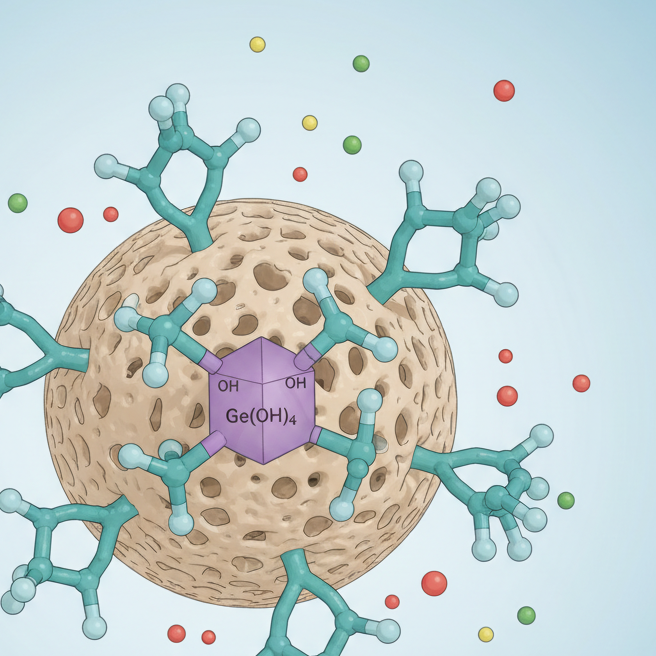
Germanium: Targeted removal and recycling of valuable element from industrial water
Germanium (Ge), a semi-metal with fascinating properties, is an indispensable component of modern technologies – from optoelectronics and infrared cameras to fiber optic cables and catalysts. Demand is constantly increasing, but availability is limited and extraction is often energy-intensive. In…
-

Audit of chemical-physical wastewater plant (CP plant)
Audit of wastewater system (industrial, chemical-physical wastewater system) A chemical-physical wastewater treatment plant for the treatment of industrial wastewater is generally located downstream of production. Its purpose is to ensure that the regulatory requirements are always met when the treated…
-

Ion exchanger cartridge
An ion exchanger cartridge is a pressurized container filled with ion exchange resin. Ion exchanger cartridges have either a top and bottom inlet in which a so-called star distributor, a strainer basket or a baffle plate is mounted. Alternatively, there…
-

Ultrapure water production
Ultrapure water production What is ultrapure water and how is ultrapure water produced? Ultra-pure water, or UPW, is demineralized water that has been purified again, i.e. fully demineralized water in which the ingredients have been further reduced to the chemical-physical…
-
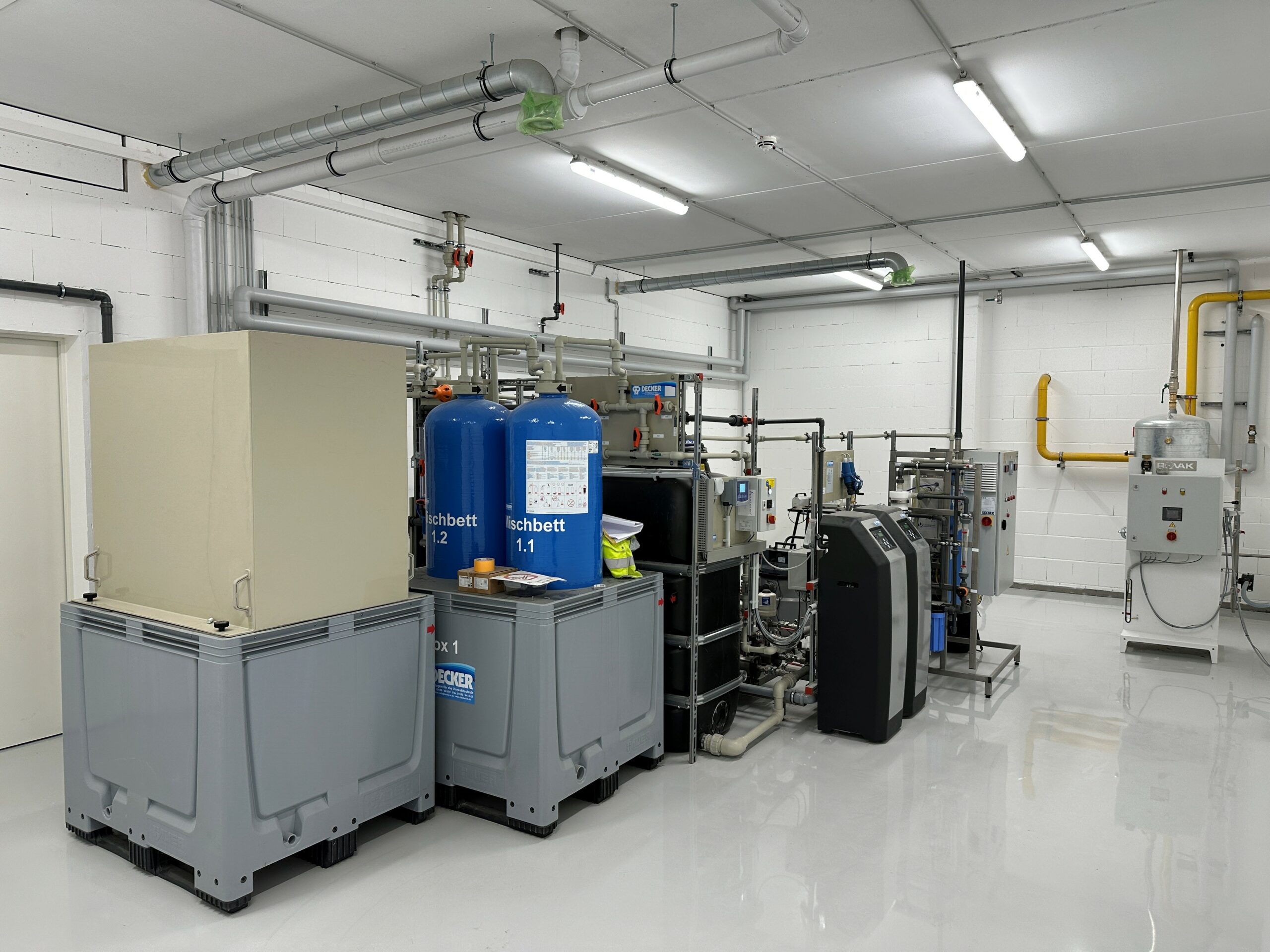
Production of VE water
VE Produce water Demineralized water is produced using various technical processes, usually via ion exchange or reverse osmosis or a combination of the two techniques. The so-called water demineralization usually means a degree of purity in the form of conductance…
-
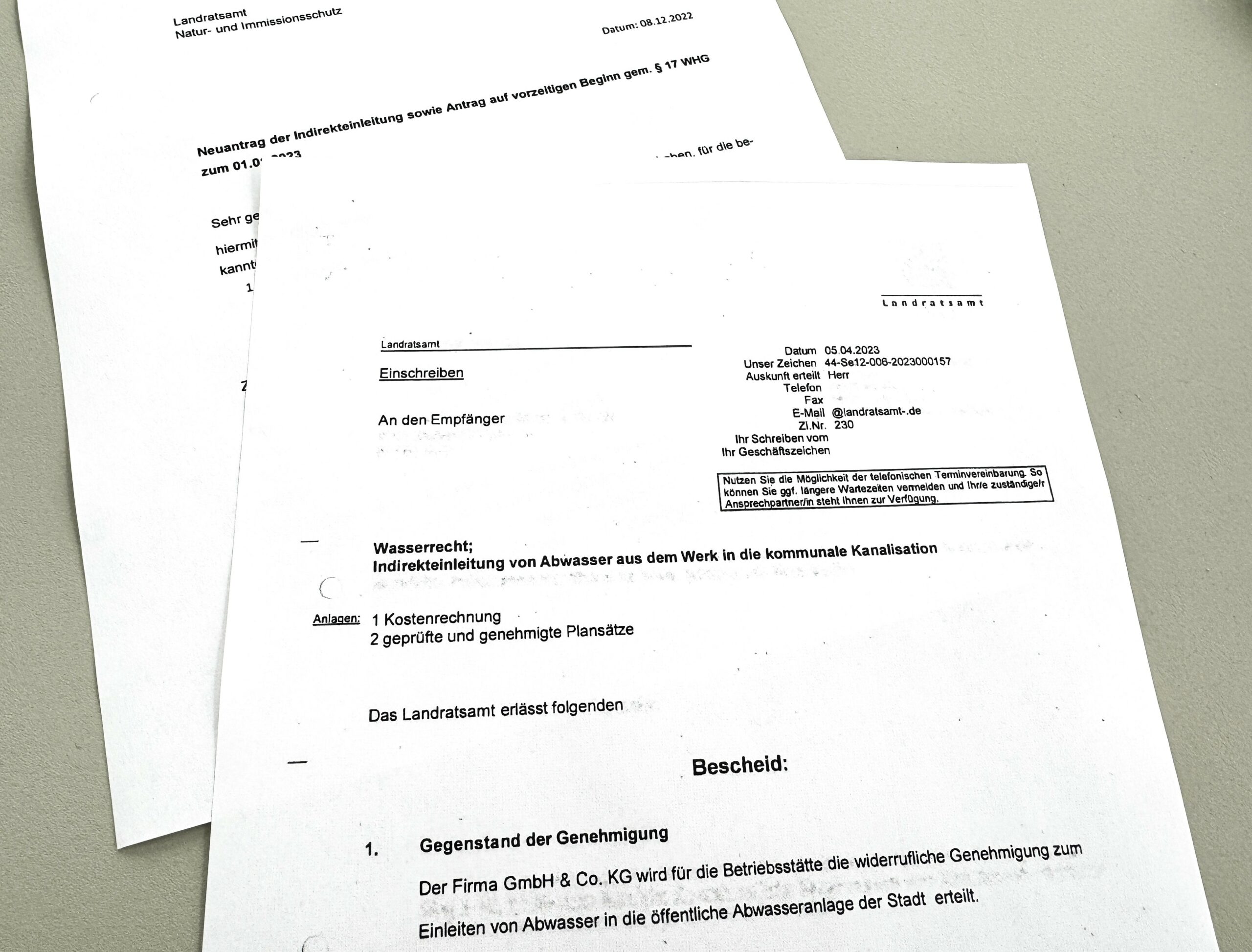
Approval for indirect discharge of wastewater
Approval for indirect discharge of wastewater With a few exceptions, every discharge of commercially used wastewater into the municipal sewage system or into a body of water is subject to approval under water legislation as a direct or indirect discharge…
-
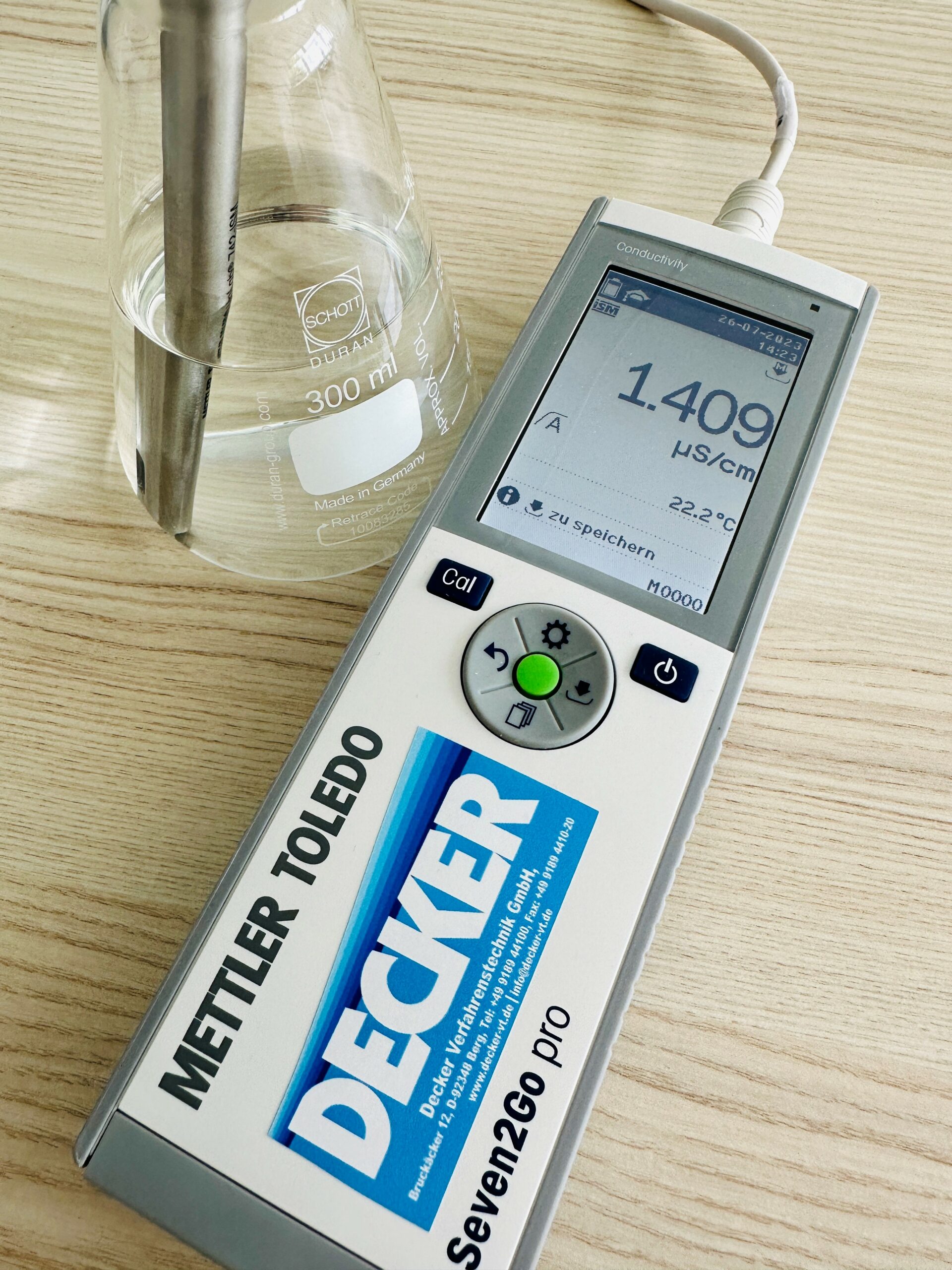
VE water
VE water VE water is the abbreviation for demineralized water or deionized water or DI water. This is water whose ionogenic components have largely been removed beforehand, so it is almost pure H2O, apart from a few trace substances. Externally,…
-
Ion exchanger service life
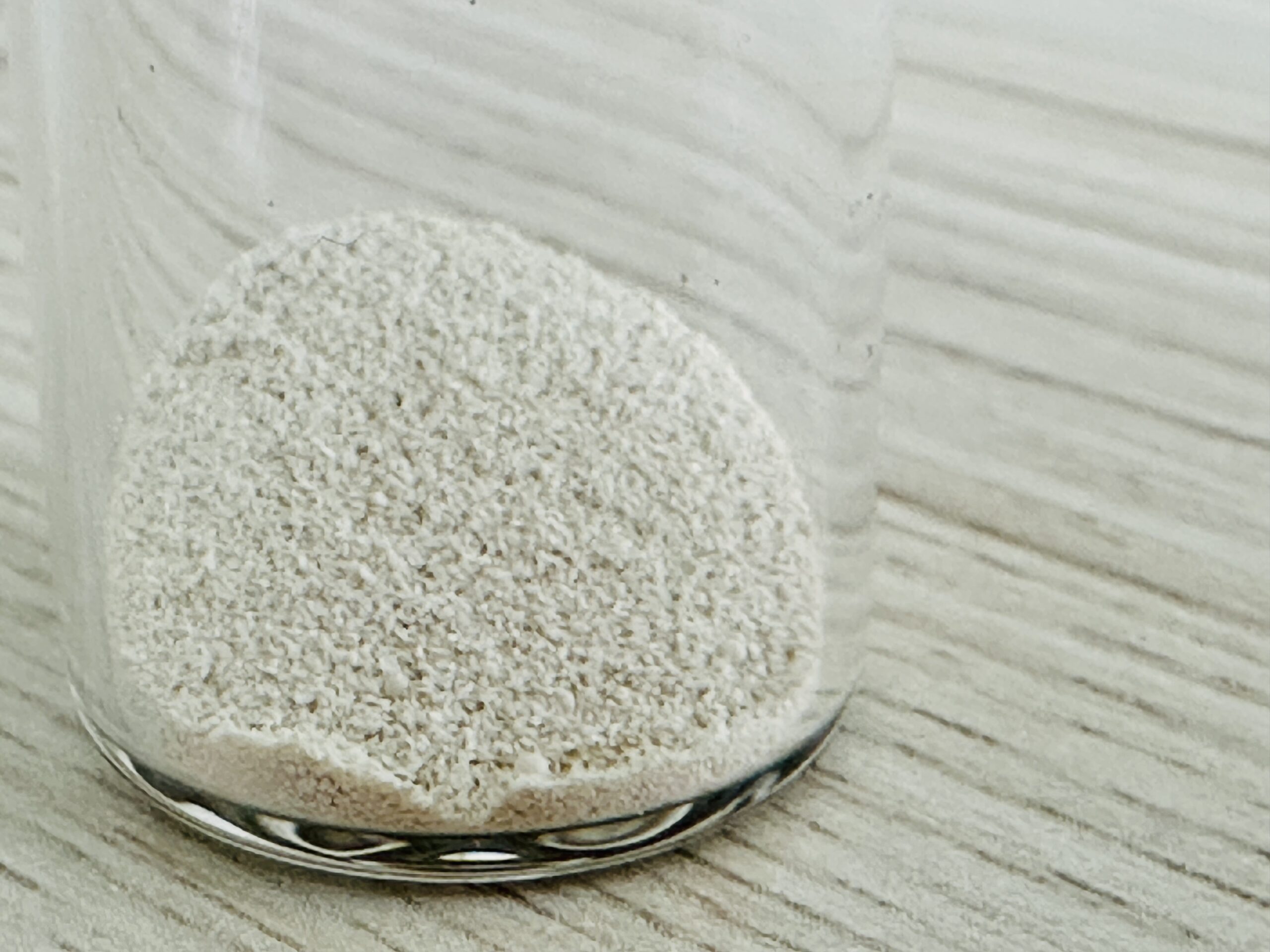
Ion exchanger service life The typical service life of an ion exchanger is 4-7 years for anion exchangers and 10+ years for cation exchangers, in some applications up to 20 years. The service life does not refer to the time…
-
Instruction for ion exchanger regeneration
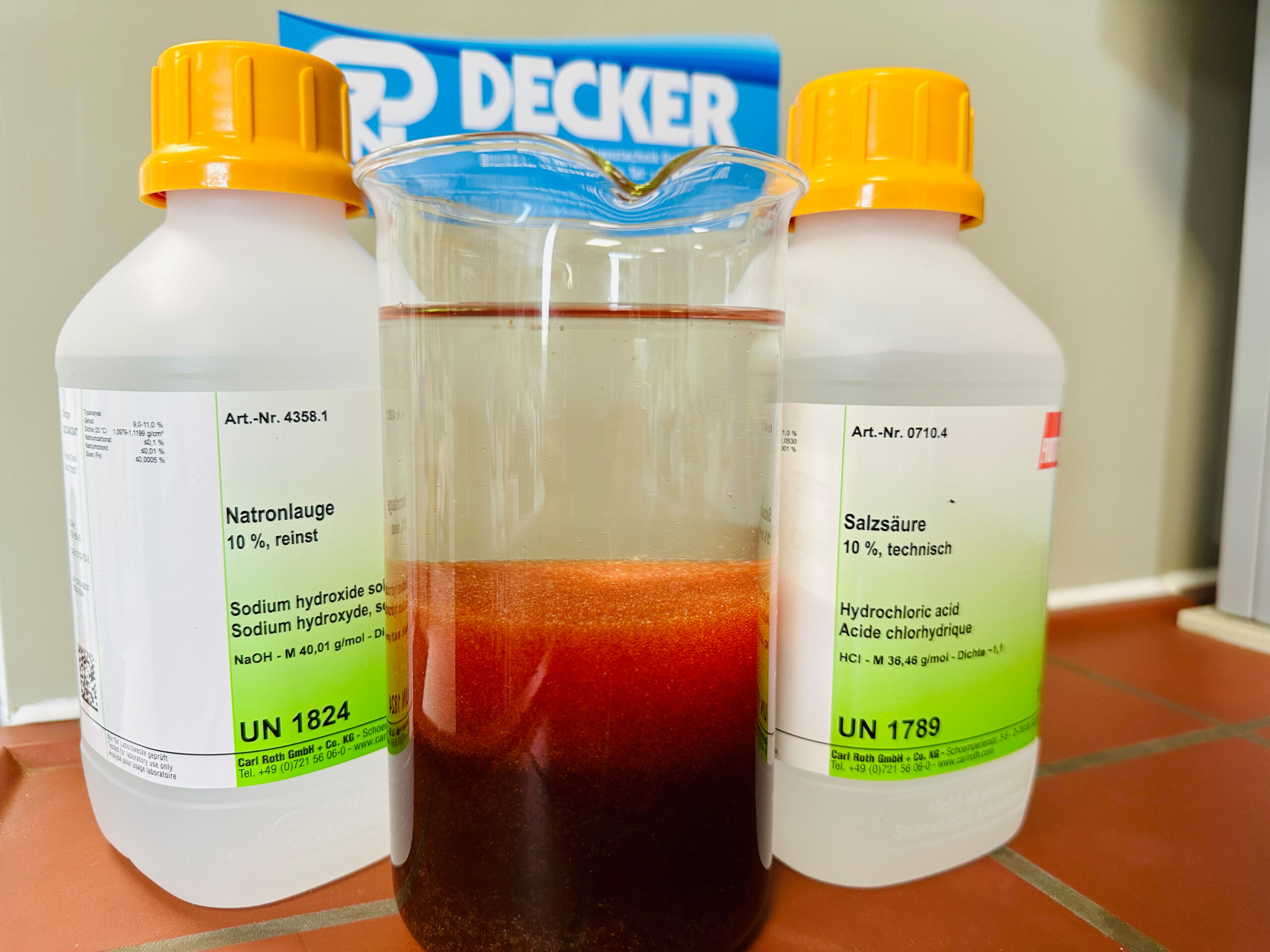
Instruction for ion exchanger regeneration Ion exchanger regeneration instructions initially depend on the type and loading of the ion exchanger (e.g. ion exchanger from the demineralization cartridge or demineralization system, recirculation of rinsing water, selective exchanger from chemical-physical wastewater treatment…
-
Regenerate mixed bed resin
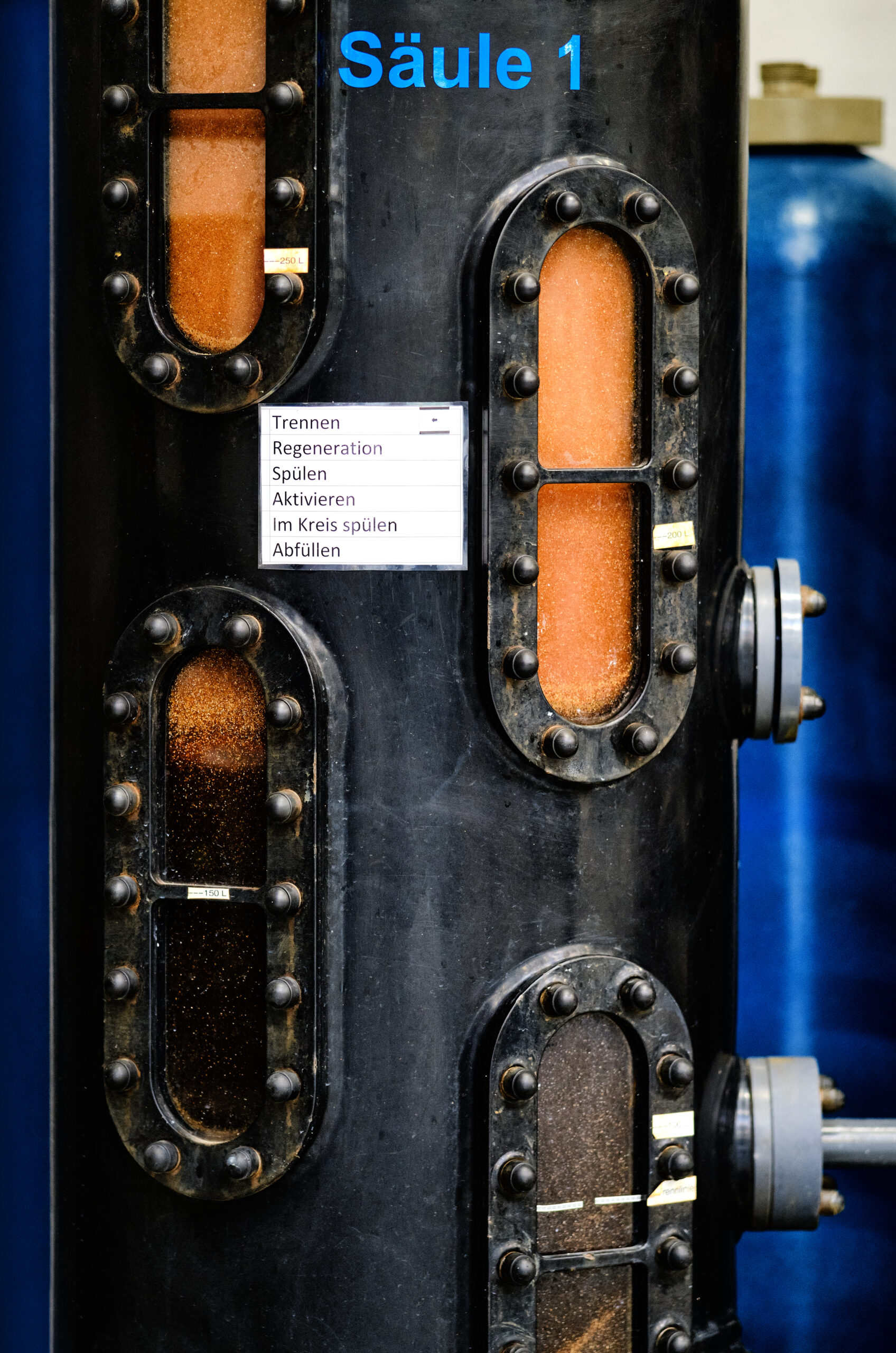
Regenerate mixed bed resin Regenerating mixed-bed resin means that if the conductivity in the outlet of the ion exchanger cartridge or demineralization cartridge rises above the normal operating value, the mixed-bed resin (e.g. Lewatit NM60) must be reprocessed for further…